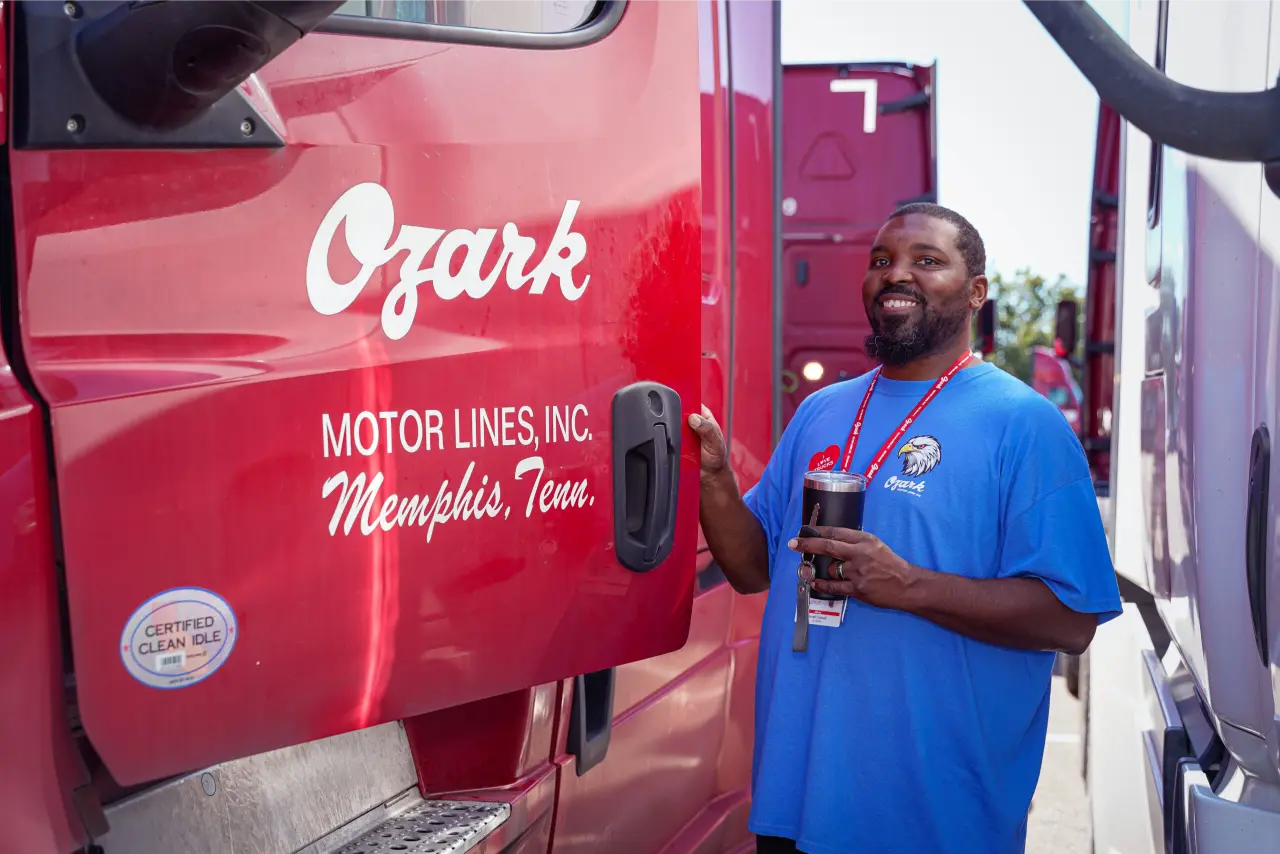
Every other state Ozark serves is a market the company drives into. Tennessee is where Ozark actually lives: the corporate office sits on Homewood Road in Memphis, and it has since 1961. That’s not a marketing line, it’s the address on file.
For a driver, headquarters proximity isn’t just trivia. It means the people setting policy on home time, pay, and equipment are working out of the same building the trucks pull into, not a regional office managing Tennessee from somewhere else.
Memphis is one of the busiest logistics hubs in the country, home to the world’s largest air cargo hub and a major rail and highway crossroads where I-40, I-55, and I-69 all converge. (That air-cargo distinction is a well-known fact about the city generally, not a specific claim about Ozark’s own freight mix.) Nashville adds a second, fast-growing distribution and manufacturing base to the east.
That combination keeps Tennessee freight flowing from both directions. Drivers aren’t relying on one city’s freight cycle to stay busy.
Because dispatch and support are based in Memphis, Tennessee drivers aren’t routed through a call center in another time zone. Issues get resolved by people who know the local lanes, not just a ticketing system.

With freight demand anchored by both Memphis and Nashville, routes are planned to keep trucks loaded rather than idle between one city’s freight cycle and the next. Mileage-based pay rewards drivers who stay moving.
Medical, dental, and vision coverage kick in on day one, no waiting period to sit through. Add in a 401(k), a rider program, and a pet program, and the basics are covered before your first paycheck lands.

Two paths, two different tradeoffs:
– Regional: frequent home time, predictable weekly schedule
– OTR: longer runs, higher mileage potential, more flexible home time
Because Tennessee is home base, the people explaining these options aren’t reading from a script written somewhere else, they set the policy.
Tennessee routes run on late-model Freightliner Cascadias, with APUs and power inverters standard. Preventive maintenance is scheduled, not reactive, so problems get caught in the shop instead of on the shoulder.
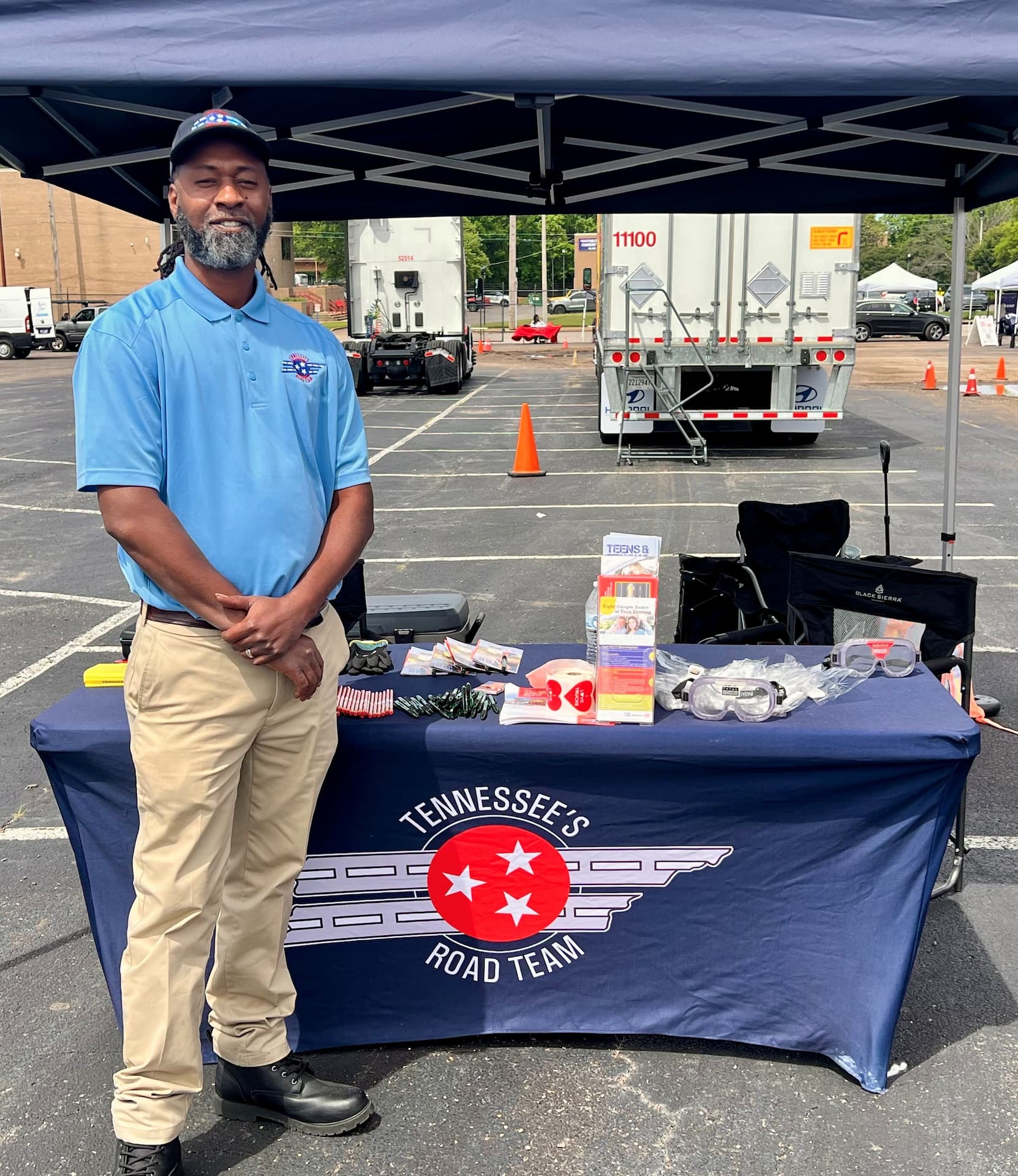
Drivers don’t load or unload. Every load is no touch, which means your hours stay focused on driving instead of standing around a dock.
Long-haul routes with steady freight, run out of the same headquarters that plans them.
Routes that stay closer to Tennessee, with predictable scheduling and regular home time.
Competitive per-mile rates, + fuel surcharge on all loaded miles, and fuel taxes, tolls, and permits covered.
High-mileage routes with the freight volume to support two drivers splitting the wheel.
Mentor new drivers and earn additional pay while you do it.
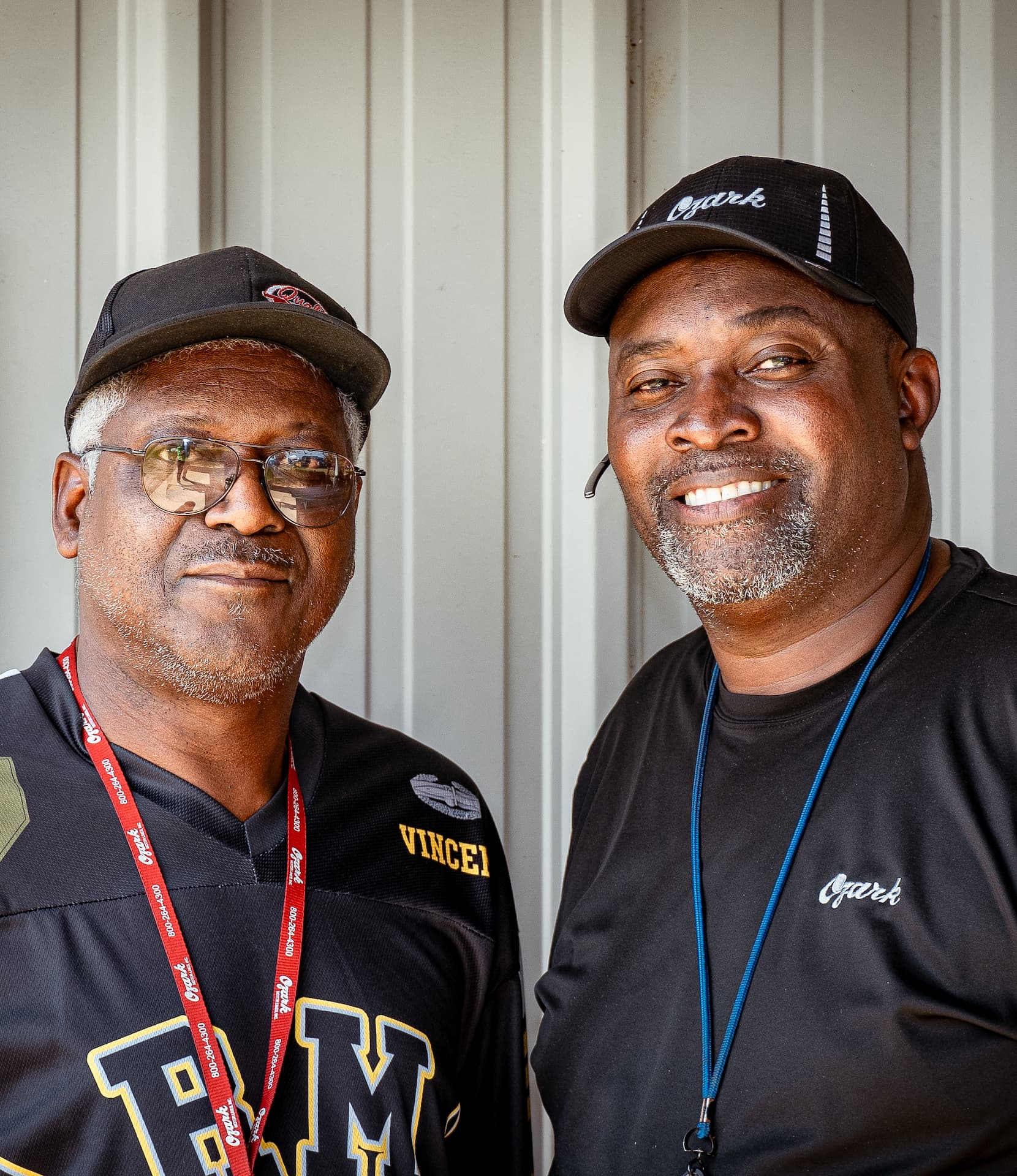
Since 1961, Ozark has treated driver retention as more important than short-term headcount. Being headquartered in Tennessee means that philosophy isn’t managed remotely, it’s set by the people you’ll actually meet if you stop by the office.
Tennessee sits on some of the most heavily used freight corridors in the country. I-40 runs east-west through Memphis and Nashville, I-55 connects Memphis south toward the Gulf, I-24 links Nashville to Chattanooga, and I-81 and I-75 tie East Tennessee into the broader Southeast and Midwest networks.
That layout means:
– Freight anchored by Memphis’s rail, air, and highway crossroads
– A second freight base in Nashville’s distribution and manufacturing growth
– Direct lanes to Little Rock, St. Louis, Atlanta, and Birmingham without a long deadhead
– Routes reaching the Southeast, Midwest, and Mid-South without excessive empty miles
Tennessee-based drivers commonly run lanes connecting Memphis to Dallas, Atlanta, and other high-demand markets, freight built to keep the truck moving instead of parked.
Plenty of carriers advertise in Tennessee. Fewer of them are actually from here. Apply today and talk with a recruiter working out of the same Memphis office that’s run this company since 1961.
You need to be at least 21, hold a valid CDL-A, and have at least six months of recent tractor-trailer experience.
Yes. The corporate office is in Memphis, Tennessee, where the company has operated since 1961.
Routes cover the Southeast, Midwest, and Mid-South, built around freight anchored in both Memphis and Nashville.
Regional drivers are typically home on a weekly basis. OTR schedules are more flexible and can be discussed with a recruiter.
On day one, including medical, dental, and vision.
No. All freight is no touch.
Late-model Freightliner Cascadias equipped for driver comfort and safety.
Availability depends on current hiring needs and driver trainer capacity at the time you apply.

